Can Australian Music Survive in the Age of Spotify?
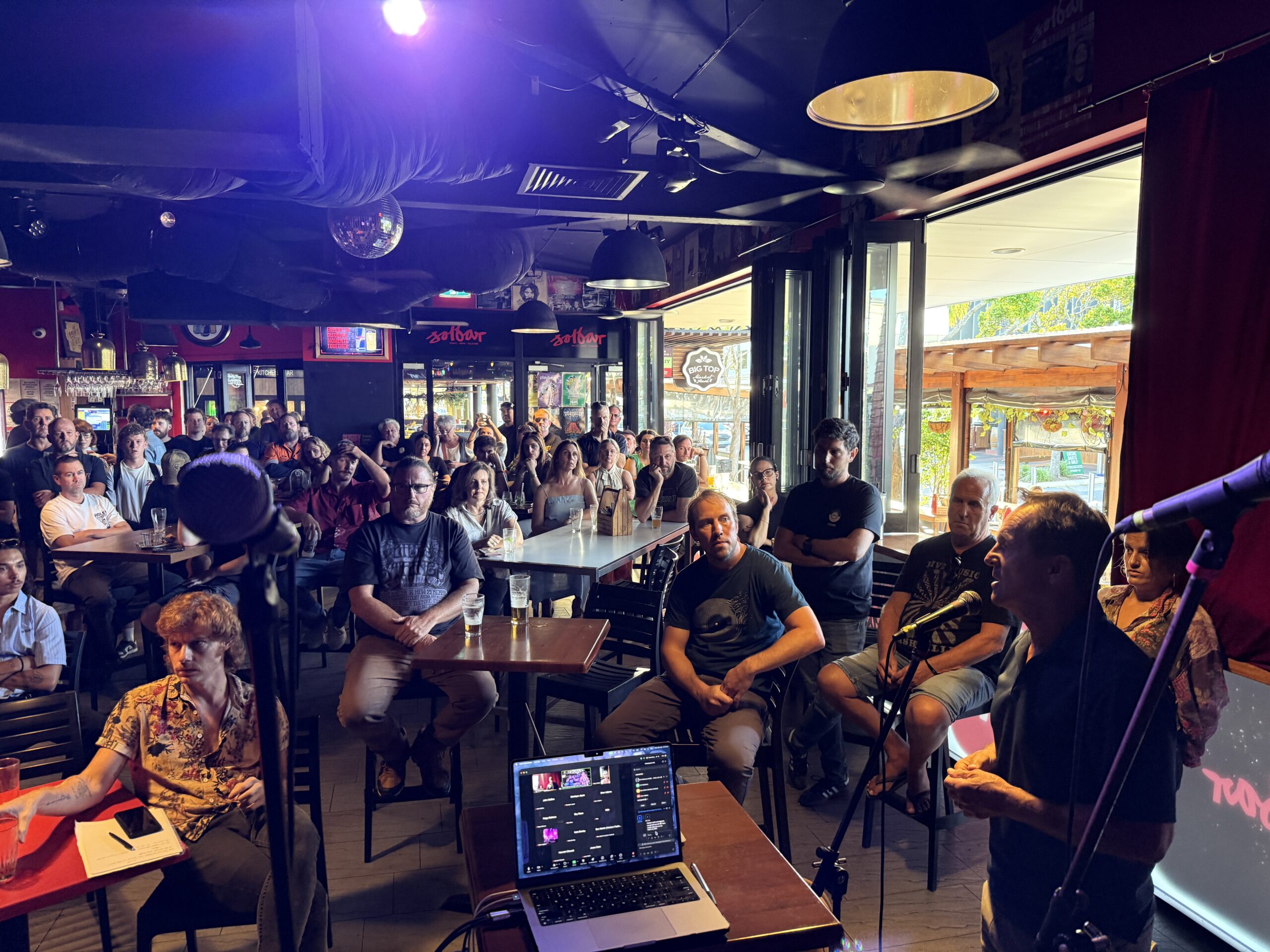
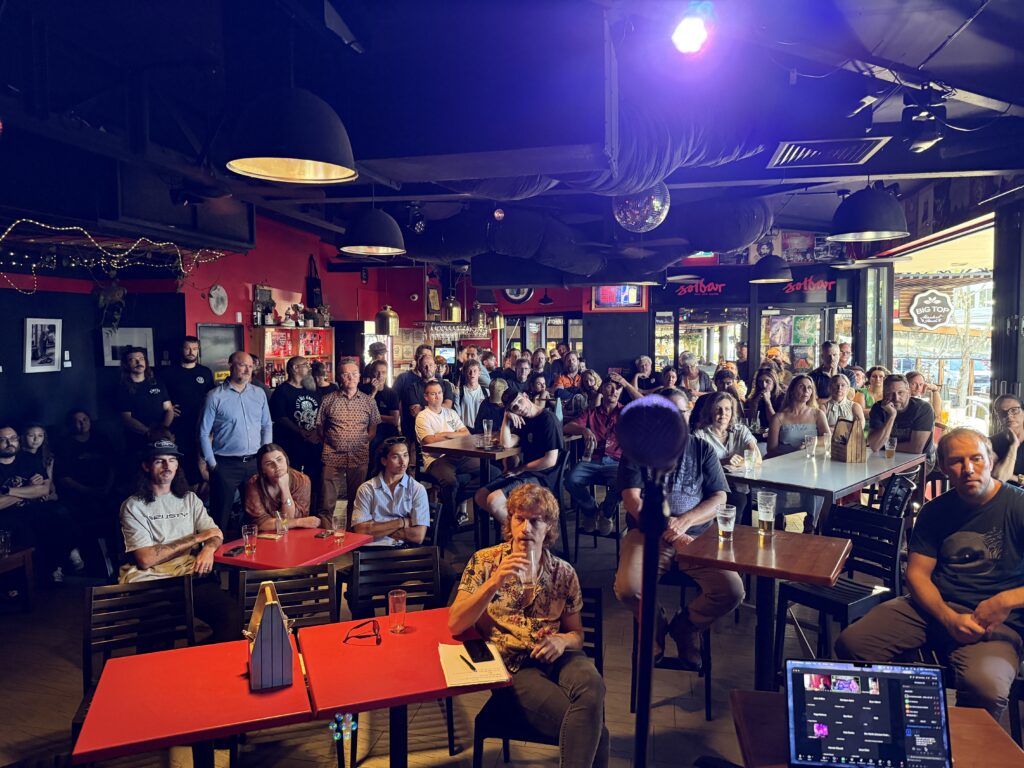
The ALMBC supported the Sunshine Coast Music Industry Collective (SCMIC), enabling an online engagement with music industry workers from across Queensland and the continent for this important meeting following the closure of the Solbar.
Wednesday 25 Feb
In person – Solbar – 4.30pm
Online 5pm AEST
From SCMIC:
The news of Solbar’s closure this week has hit the local Sunshine Coast music community hard.
For more than 20 years, Solbar has been more than a venue. It’s a place where musicians found their feet, crews learnt and worked, audiences gathered, and touring artists connected with the Sunshine Coast.
When a venue closes, opportunities disappear with it, especially for young and emerging artists.
Live music spaces are a key part of a healthy community, supporting youth participation, creative careers, and safe social connection. Their loss affects far more than a single business.
The Sunshine Coast Music Industry Collective invites artists, crew, venue operators, audiences, community members and local representatives to come together to listen, share experiences, and begin constructive conversations about what live music on the Sunshine Coast needs going forward.
Join us Wednesday 25 February from 4:30pm at Solbar. We’ll gather in the front bar before the Open Mic kicks off in the back room.
Please share this with anyone who should be part of the conversation. Your presence matters in shaping what comes next.
Community first. Music always.
Sunshine Coast Music Industry Collective
Watch The Full Session
Recap
The meeting focused on discussing the future of the music industry on the Sunshine Coast following the closure of key venues like Solbar and The Station, with participants representing various aspects of the music industry including venue operators, musicians, and government representatives.
The discussion explored potential solutions including the implementation of youth culture passes, addressing challenges faced by grassroots venues, and improving public transport infrastructure to support the local music scene.
Various proposals were discussed, including ticket levies, alternative funding models, and creating new opportunities for emerging artists, with emphasis placed on the cultural value of music venues and the need for community support across different locations on the Sunshine Coast.
Summary
Sunshine Coast Music Industry Future
The meeting focused on discussing the future of the music industry on the Sunshine Coast following the closure of Solbar and The Station. Sarah Howell clarified that this was not a “save Solbar” meeting but rather an opportunity to ensure other venues are supported and to prevent similar losses in the future. The meeting began with introductions and a roll call of attendees representing various aspects of the music industry, including venue operators, musicians, and government representatives.
Youth Culture Pass Implementation Discussion
The meeting began with Sarah & Ant welcoming attendees, including online participants, and introducing key figures such as JC, Sky Rixon, and Tim McGee. The discussion focused on the potential implementation of a youth culture pass, similar to the Francis Culture Pass in Ireland, to encourage young people to attend live music events. Kieran Nix shared his personal experience with Solbar, highlighting its educational and confidence-building impact beyond just music. Alice Jones, a new committee member, was introduced and began to discuss her experience running a music program at the Imperial Hotel. The conversation emphasized the broader benefits of music venues like Solbar in developing life skills and contributing to community growth.
Emerging Artist Venue Progression
We discussed the importance of venue progression for emerging artists, highlighting the gap between small venues (80-100 capacity) and larger ones (650+ capacity) on the Sunshine Coast. Adam, a musician and promoter who runs Mingle East Coast, explained his efforts to connect local emerging artists with larger touring acts to help them grow their careers. Brody, president of the Creative Industries Club at UniSC, shared their efforts to organize open mic events at Solbar and other venues to provide opportunities for emerging artists, particularly university bands. The discussion highlighted concerns about the closure of smaller venues and the need for alternative pathways for emerging musicians to develop their careers.
Music Venue Sustainability Models
We discussed the challenges faced by music venues, particularly regarding alcohol sales and the inclusion of young musicians. He proposed exploring viable models for music experiences less dependent on alcohol profits and suggested creating a mechanism for seeding funds into the committee for operational grants. Chris from Woodford Festival mentioned that events without alcohol are possible but require building a specific audience culture. The discussion also highlighted the importance of allowing young people to attend live music events not just as performers but for inspiration, and SCMIC’s upcoming event “Next Set” on March 22nd at Solbar was mentioned as a platform for under-18 musicians.
Grassroots Music Venue Support Discussion
Ant discussed the closure of the Solbar and acknowledged the challenges faced by grassroots music venues due to increasing operational costs and tax burdens. He mentioned the council’s efforts to support live music through new planning schemes and potential relaxation of regulations for entertainment precincts, including exploring mixed-use areas like industrial zones. John, the nighttime commissioner, expressed support for the industry and highlighted the need for a collaborative approach to address the challenges faced by grassroots music venues, mentioning his work with the Australian Live Music Foundation to establish support mechanisms.
Music Venue Transport Access Challenges
Simon shared his experience at a grassroots songwriting workshop where participants discussed challenges with accessing music venues on the Sunshine Coast, particularly due to limited public transport options. He suggested improving public transport frequency and reliability, including designated buses to venues, as well as implementing youth passes that could cover cover charges. The discussion highlighted the need to shift away from car-centric culture and improve public transport infrastructure to support the region’s nighttime economy and music scene.
Sunny Coast Music Scene Challenges
Sarah & Ant discussed the challenges of the local music scene on the Sunny Coast, highlighting the need for more frequent performances and shorter sets to build audience engagement. He suggested promoting local music through platforms like Spotify and creating opportunities for musicians to perform regularly. Kris agreed with Ant’s points and emphasized the responsibility of various entities, including Q Music, local governments, and the market, in addressing these issues. He also proposed the idea of a ticket levy as a potential solution and stressed the importance of treating music venues as cultural and community assets.
Concert Ticket Levy Proposal
Kris proposed implementing a ticket levy on large-scale concerts held at state-owned venues, suggesting $1 per ticket could generate significant revenue while ensuring international artists reinvest in local communities. The discussion highlighted that this approach is already common globally, with the UK having implemented similar measures for years. Ant mentioned that the Australian Music Venue Foundation (AMVF) is leading efforts to develop an arena ticket levy in Australia, drawing parallels between music and sports industries in terms of supporting grassroots development. Mel shared insights about the differences between community-driven music and sports in rural areas, noting the volunteer-based nature of grassroots sports versus the more commercial focus in music.
Grassroots Venue Development Support
Steve Roma, a retired venue manager who previously ran the Sydney Entertainment Centre and Blues Fest Byron Bay, expressed support for grassroots venues and offered to help develop new venues in the Sunshine Coast area. He highlighted the need for incentives to encourage venue operators to start new venues, particularly noting the success of similar venues in other areas like the Gold Coast. The discussion also touched on alternative funding models, including not-for-profit cooperative ownership of live music venues, with examples from Castlemaine and Sydney.
Solbar Closure and Music Community
The meeting focused on discussing the closure of Solbar and its impact on the local music community. Tyler shared his experience as a musician who started at Solbar’s open mic nights at age 16 and proposed creating similar opportunities at other venues, including reaching out to the Alex Surf Club. Geordie discussed reviving the Best Music Club, which had previously been run by Alex Henrikksen, and mentioned plans to potentially host it at the brewery in Kunda Park. The discussion highlighted the cultural value of music venues and encouraged attendees to support other local music spaces, with Shannon Carroll from the Sunshine Coast Music Industry Collective noting various venues across the region that could benefit from community support.