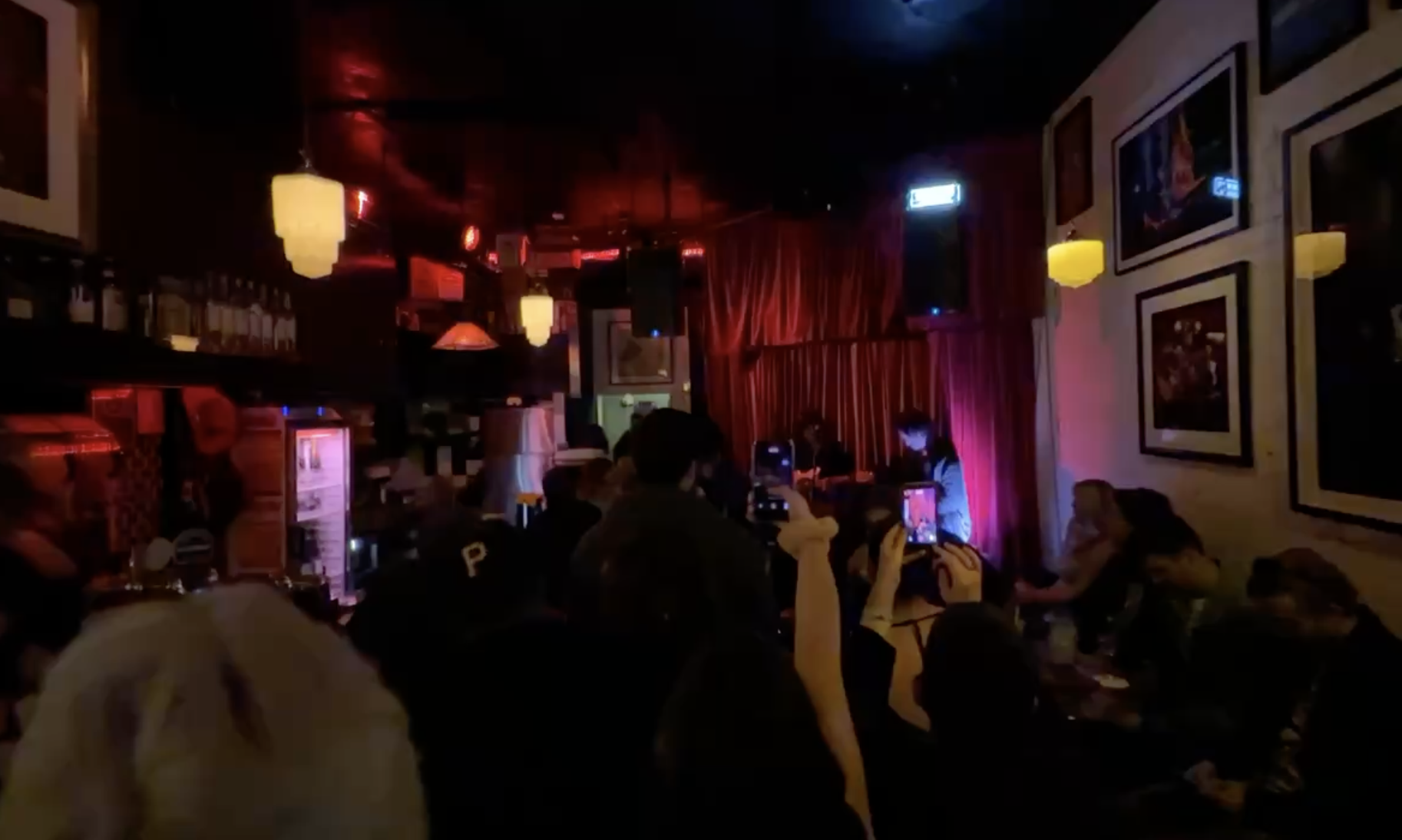
A generation of punters has decided that hearing loss is not part of the ticket price, and venues should take note.
The Music has dived into twenty years of Google Trends data on earplug searches, and the shape of the graph tells the story. Interest sat in the low teens through most of the 2000s and 2010s. It started climbing in 2021, jumped sharply in 2023, then hit a peak of 100 in February 2024 when the Eras Tour and a stack of other big runs landed here.
It has not come back down. There was another peak of 84 in November 2024, then 90 and 89 in November and December 2025 as Metallica, AC/DC, Oasis, Jelly Roll and Ricky Martin worked the arenas and stadiums. Since then the figure has not dropped below 60, and in May 2026 it was back up at 84.
Sarah Swann, who lectures in audiology at the University of Melbourne and chairs the Musicians Hearing Group at Audiology Australia, says the shift is generational. She sees young people asking how overexposed they are, which type of protection to use and when to put it in. Professional players are doing the same, which she says is a change from an older cohort who felt plugs got in the way of the music.
Audiology Australia puts safe listening at roughly eight hours when the level sits at 85 decibels. Most festivals run at 105 or higher. Hearing Australia has found that 70 per cent of people aged 18 to 35 have experienced tinnitus, and 16 per cent cop it more than once a week.
Brands like Loop have done the sector a quiet favour by making protection look like an accessory rather than a medical device. Custom moulded, filtered plugs are still the gold standard, but a cheap pair in a punter’s pocket beats nothing at the barrier.
Music venues are not covered by the noise exposure rules that apply in most other workplaces, so the responsibility sits with the operator, the promoter and the crew. Selling filtered plugs at the bar, keeping a bowl of foamies at the door and briefing front of house on levels costs very little.
It also tells a younger audience that you are on their side. In a market where people are choosing carefully which gigs to spend money on, that is worth more than it sounds.