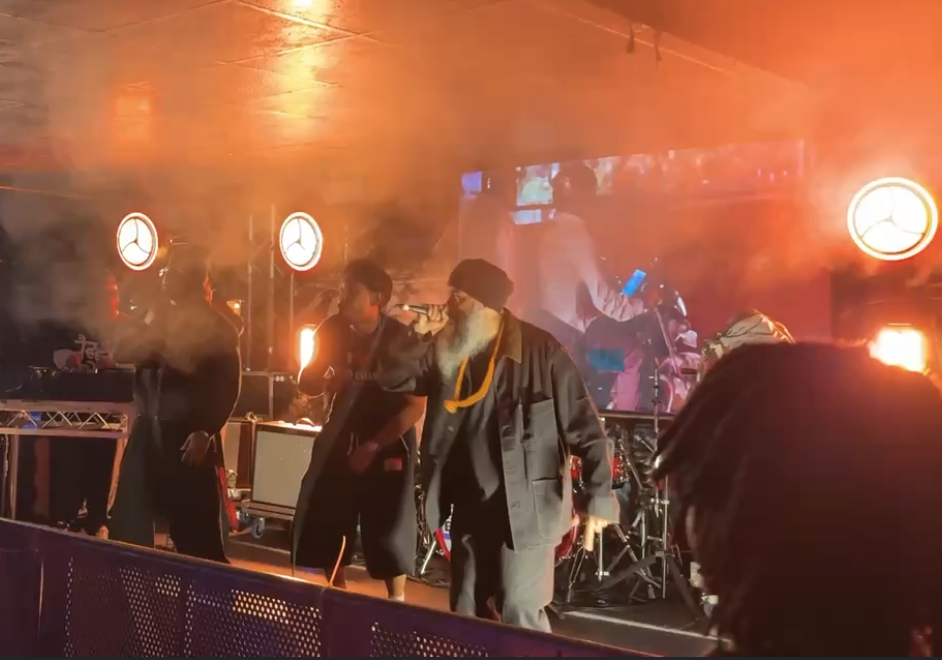
A two-year report from Black Lives in Music has found Black and South Asian music events in London lose an estimated £141 million (about €167 million) a year to disproportionate cancellations and shifting licensing restrictions, compared with events that are largely white-led.
The Race Equality in Music Event Licensing report investigated how licensing and policing affect Black and South Asian artists, promoters and venues in the city. Black genres account for around 80% of the UK music market, which makes the losses a problem for the whole live sector. The findings add to long-running concerns about the legacy of Form 696 in UK event licensing, and give Australian operators a useful reference point when councils and police set conditions for late-night events.
Form 696 was a risk assessment form the Metropolitan Police introduced in 2005 after a run of shootings at London club nights. Promoters across 21 boroughs were expected to submit it 14 days before an event, and the original version asked for the name, address and date of birth of every performer, the style of music being played and the ethnic makeup of the expected crowd.
Although the form was officially voluntary, some councils wrote it into licence conditions, and grime, garage and R&B promoters reported shows being pulled at the last minute because of it. The genre and ethnicity questions were dropped in 2009, and after a review ordered by Mayor Sadiq Khan the Met scrapped the form altogether in November 2017, replacing it with a voluntary partnership approach for venues and promoters.
The new report suggests the underlying problem did not leave with the paperwork.